
The Bifarm Journal · · by Wanjun Gao
Energy Use in Modern Farming Explained
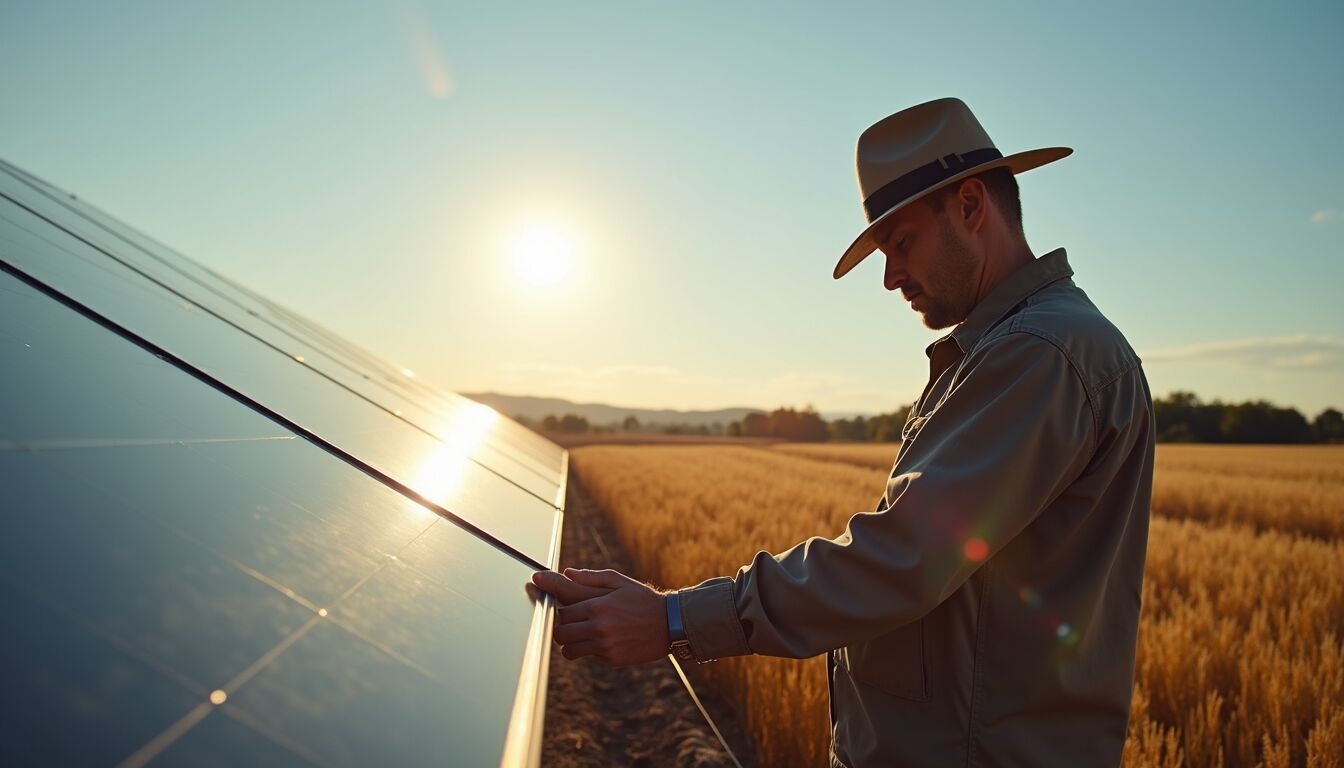
The farming industry faces immense challenges today, particularly concerning energy consumption. As energy prices continue to rise and environmental concerns mount, farmers are increasingly turning to technology to shape their energy use effectively. This post will explore various technologies revolutionizing farming, helping producers be more sustainable, efficient, and profitable.
Understanding Energy Use in Farming
Energy plays a pivotal role in every farming operation, whether it's powering machinery, lighting greenhouses, or pumping water for irrigation. Traditionally, agriculture has been highly energy-intensive. Recent advancements in technology have ushered in an era of smarter energy use. Innovations are not just making farming more productive but also driving down costs and reducing the industry's carbon footprint.
The importance of energy in farming is illustrated by a 2018 report from the USDA, which revealed that energy represented over 20% of total production costs in many agricultural sectors. By optimizing this aspect, farmers can enhance their bottom lines and work towards more sustainable practices.
The Rise of Precision Agriculture
Precision agriculture is one of the most groundbreaking advancements in energy use. This approach leverages data analytics, GPS technology, and sensors to make farming practices more efficient. By collecting data on soil moisture, crop health, and climate conditions, farmers can tailor their energy use precisely to what is needed.
For instance, according to a study by the International Society of Precision Agriculture, farms that adopted precision technologies have seen energy savings of up to 30%. This is achieved by applying only the necessary amounts of water, fertilizers, and pesticides, thus reducing waste and excessive resource use.
Moreover, precision agriculture tools can optimize the energy usage of farming equipment. For example, automatic steering and variable-rate technology enable tractors to operate more efficiently, reducing fuel consumption and emissions.

What is the Most Energy Efficient Power Plant?
When discussing energy consumption in agriculture, we must consider renewable energy sources that farmers can tap into. The most energy-efficient power plants today primarily harness renewable resources, such as solar and wind.
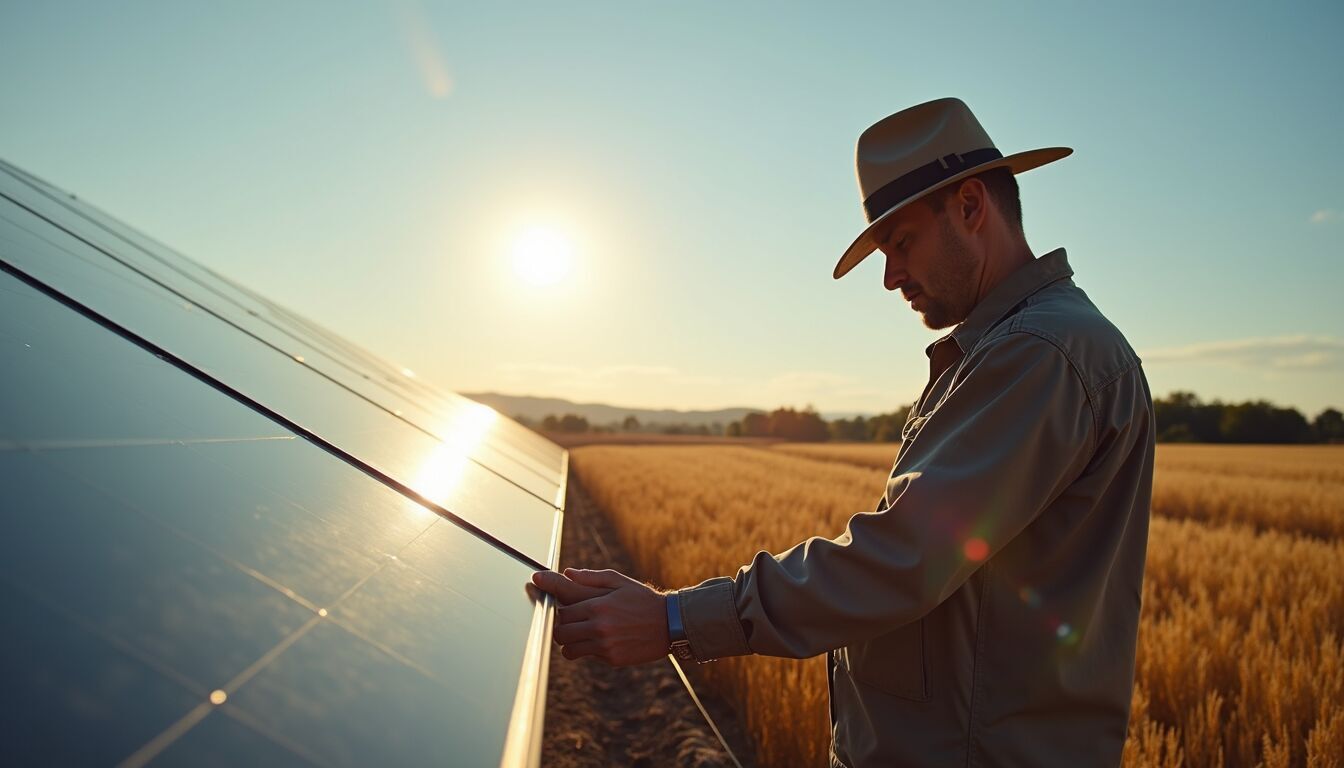
Solar energy, in particular, has gained remarkable traction in the agricultural sector. Solar panels can be installed on farm buildings or dedicated solar farms, providing a sustainable and cost-effective power source. A report by the National Renewable Energy Laboratory indicated that farms using solar power can cut their energy costs by as much as 75%.
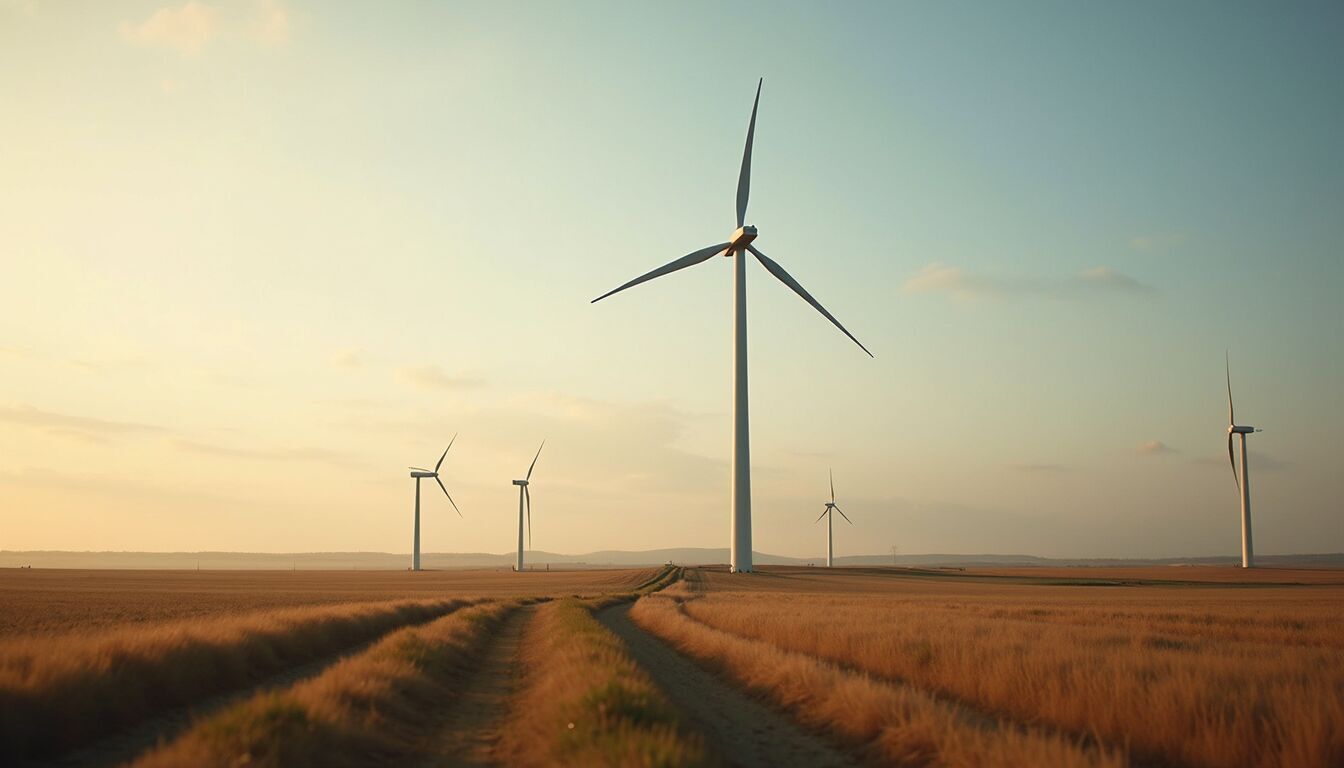
In addition to solar, wind energy is another promising avenue. Small wind turbines can generate electricity in rural settings, helping farmers become self-sufficient. Some farms have even started integrating biodigesters that convert waste into useful energy, effectively making them energy-neutral operations.
The Role of Automation and IoT
The Internet of Things (IoT) and automation are transforming agriculture by optimizing energy use at multiple levels. IoT devices allow farmers to monitor their fields and equipment remotely, providing real-time data that can lead to better energy management.
For instance, smart irrigation systems can detect soil moisture levels and weather conditions, adjusting water flow accordingly. According to the Irrigation Association, such systems can save up to 50% more energy than traditional methods.
Moreover, automated systems for feeding livestock or managing crop growth not only enhance productivity but also conserve energy. By ensuring that energy resources are utilized efficiently, farmers can focus on maximizing yields while minimizing wasted inputs.
Renewable Energy Investments
Investing in renewable energy technologies is becoming a common practice in modern farming. By integrating solar panels, wind turbines, or biogas systems, farmers can decrease their dependency on fossil fuels significantly.
Many government programs offer incentives for farmers to invest in renewable technologies. For example, the USDA has provided grants and loan guarantees for energy efficiency and renewable energy projects in agriculture. Farmers who take advantage of these programs can enjoy both immediate savings and long-term benefits.
Incorporating these renewable resources can not only yield cost savings but also provide a competitive edge in a market increasingly leaning towards sustainability. By adopting energy efficient agriculture practices, farmers can position themselves as leaders in environmentally friendly farming.
Future Trends
As technology continues to advance, the energy landscape in farming will undoubtedly evolve. Trends such as vertical farming, artificial intelligence (AI), and big data analytics are set to reshape how we think about energy use in agriculture.
Vertical farming, which utilizes stacked layers to grow crops, drastically reduces the land and energy requirements typically needed for traditional farming. AI algorithms can also analyze data to predict energy needs better, enabling proactive resource management.
Furthermore, we can expect increased connectivity through 5G technology, enhancing communication between devices and central systems, thereby optimizing energy use even further.
Farmers willing to embrace these emerging technologies will not only benefit their operations but also contribute to a more sustainable food system for future generations.
Taking Action for Sustainable Farming
The future of farming is undeniably intertwined with technology. As farmers adapt to ongoing changes, they will need to remain informed about new energy-efficient technologies.
Here are a few actionable recommendations for farmers looking to improve their energy use:
Conduct Energy Audits: Identify where energy is being wasted in your operations and take steps to rectify it.
Invest in Renewable Energy: Consider investing in solar panels or wind turbines to reduce fossil fuel reliance.
Implement Precision Agriculture: Adopt technologies that help understand crop and soil needs to minimize unnecessary resource use.
Seek Grants and Incentives: Look for government programs that can assist with financing energy-efficient improvements.
By focusing on these areas, farmers can significantly reduce their energy costs and environmental impact, cultivating a more sustainable future.
As technology continues to reshape energy use in agriculture, only those who adapt will thrive in the increasingly competitive landscape. The combination of advanced tools, sustainable practices, and renewable energy investments will define the next generation of farming. By leveraging these innovations, farmers can build a more efficient and eco-friendly industry.